Mixed-Use Property Transactions in Brooklyn - Legal Considerations

Brooklyn's mixed-use buildings, the kind with a nail salon on the ground floor and three residential apartments above, sit at a complicated legal intersection. Zoning rules, rent regulations, commercial lease obligations, and financing requirements all apply simultaneously. Buyers and developers who treat these assets like a straightforward residential purchase routinely run into title delays, lender rejections, or post-closing liability. Understanding the specific legal layers before you sign a contract saves significant time and money.
Zoning and Land-Use Classifications
New York City's Zoning Resolution assigns most of Brooklyn's mixed-use corridor properties to Commercial (C) or Manufacturing (M) districts with residential overlays, or to the newer MX mixed-use zoning categories. The actual permitted uses, maximum floor area ratio, and required parking depend entirely on the specific district designation, not on how the building has historically been used.
A building operating as mixed-use for decades does not automatically have legal conforming status. If a prior owner expanded commercial space beyond what the certificate of occupancy permits, that violation travels with the property to every future buyer. Your attorney should pull the current certificate of occupancy and cross-reference it against the Department of Buildings (DOB) records for open violations and any pending enforcement actions.
Neighborhoods like Sunset Park and Bushwick have seen rezoning studies that can shift permitted uses significantly within a few years. Buyers with development plans should obtain a formal zoning analysis, not just a verbal summary, before committing to a purchase price.
The Certificate of Occupancy and Building Code Compliance
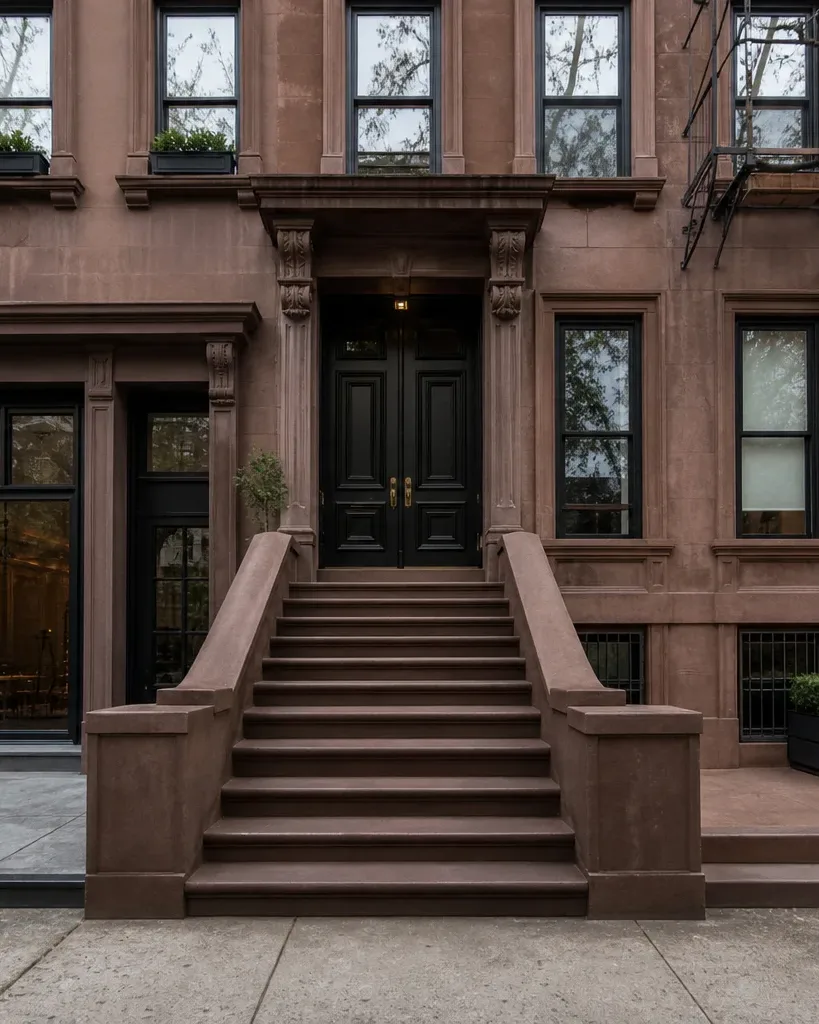
The certificate of occupancy (CO) is the legal document that defines what each portion of a building may be used for. In a mixed-use building, the CO must separately authorize each commercial and residential unit. A mismatch between the CO and actual use is an open building code violation, and most conventional lenders will not close a loan until it is resolved.
DOB violations in Brooklyn mixed-use buildings commonly involve unpermitted interior alterations, improper fire separation between commercial and residential floors, and elevator compliance gaps. Resolving these issues can take anywhere from a few weeks to over a year depending on the scope of required remediation. Negotiating a price reduction or an escrow holdback tied to violation removal is standard practice, but the contract must specifically address who bears responsibility and within what timeframe.
Rent Stabilization and Residential Tenant Protections
Many Brooklyn mixed-use buildings constructed before 1974 or financed under certain government programs contain rent-stabilized apartments. The 2019 Housing Stability and Tenant Protection Act significantly tightened the rules governing these units, removing most paths to deregulation.
A buyer who does not conduct a thorough rent stabilization audit before closing can inherit obligations they never anticipated. Those obligations include limits on allowable rent increases, required lease renewal offers, and strict rules around preferential rents. If the prior owner collected above the legally registered rent, the new owner can face rent overcharge liability going back six years with potential treble damages.
The New York State Division of Housing and Community Renewal (DHCR) maintains rent history records, but those records are not always complete. An attorney experienced in New York landlord-tenant law should request the complete registration history for each unit and compare it against actual leases before the due diligence period closes.
Commercial Lease Due Diligence
Commercial tenants in mixed-use buildings often hold long-term leases with renewal options, exclusivity clauses, or co-tenancy provisions that directly affect property value and future use. A ground-floor retail tenant with a 10-year lease at below-market rent and two 5-year renewal options can materially constrain what a buyer can do with the property for decades.
Lease assignment clauses matter as much as rent. Some commercial leases require landlord consent to assign, others are silent, and some contain change-of-control provisions that could be triggered by a sale. Failing to identify these clauses before closing can mean the buyer ends up in breach of a lease before they have even taken possession.
Personal guarantees, security deposits, and any ongoing landlord construction obligations under the existing lease also need to be confirmed and properly transferred. Brooklyn's commercial real estate market includes many informal arrangements documented only in emails or oral agreements, which creates additional verification work during due diligence.
Financing Complexities for Mixed-Use Properties
Lenders treat mixed-use properties differently depending on the ratio of commercial to residential square footage. When commercial use exceeds a threshold, typically 20–25% of gross leasable area, most residential mortgage products no longer apply. The property falls into commercial lending territory, which usually means higher interest rates, larger down payments, and more demanding underwriting.
Small Business Administration (SBA) loans are sometimes available for owner-occupied commercial components, but they carry their own eligibility restrictions and documentation requirements. A lender's appraiser will value the commercial and residential components separately and then reconcile a combined figure, which can produce a lower appraised value than the buyer expects.
Title insurance for mixed-use properties should include endorsements covering zoning compliance, survey matters, and any easements affecting the commercial entrance. Standard residential title policies do not cover all of these exposures. Working with a title company that handles commercial transactions in Brooklyn specifically is worth the additional coordination time.

Environmental and Structural Considerations
Brooklyn's industrial history means that ground floors previously used for dry cleaning, auto repair, or light manufacturing may have legacy contamination. Phase I environmental site assessments are standard in commercial transactions and should be required here regardless of current use. If a Phase I identifies recognized environmental conditions, a Phase II assessment involving soil or groundwater sampling will be necessary before most lenders will proceed.
Structural due diligence beyond a standard home inspection is appropriate for mixed-use buildings. The transition between commercial and residential loads, the condition of the commercial façade, and the age and capacity of shared mechanical systems all warrant review by a licensed structural engineer. Deferred maintenance on shared systems, like a boiler serving both commercial and residential units, becomes the new owner's problem the moment the deed records.
Transfer Taxes and Closing Costs
New York imposes multiple layers of transfer tax on real property sales. The New York State Real Estate Transfer Tax applies at $4 per $500 of consideration, with an additional mansion tax starting at 1% for properties over $1 million. New York City imposes its own Real Property Transfer Tax, which runs 1.425% for properties above $500,000.
For mixed-use buildings in Brooklyn, which routinely trade above $1 million, these taxes represent a material closing cost. The allocation between buyer and seller is negotiable within limits set by custom and contract law, but in most Brooklyn transactions the seller pays the state and city transfer taxes and the buyer pays the mansion tax. Confirming that allocation in the contract is not optional; ambiguity here has generated litigation.
Attorney fees, title insurance premiums, mortgage recording taxes, and bank fees add further to the closing cost stack. Buyers financing a mixed-use purchase in Brooklyn should budget 3–5% of purchase price for closing costs beyond the down payment, with the precise figure depending on loan structure and negotiated allocation between parties.
Frequently Asked Questions
What Are the Main Mixed-use Property Legal Issues Buyers Face in Brooklyn?
Buyers typically encounter zoning compliance gaps, certificate of occupancy mismatches, rent stabilization obligations on residential units, commercial lease assignment restrictions, and environmental liability from prior industrial use. Each issue can delay closing or create post-closing financial exposure, so thorough due diligence before contract signing is essential.
Do Rent Stabilization Rules Apply to the Residential Units in a Mixed-use Building?
Yes. If the building was constructed before 1974 or financed under qualifying government programs, the residential apartments are likely rent-stabilized regardless of the commercial component. The 2019 Housing Stability and Tenant Protection Act removed most deregulation pathways, so buyers should request DHCR rent history records for every unit and have an attorney verify compliance before closing.
How Does the Commercial-to-residential Ratio Affect Mortgage Options?
When commercial space exceeds roughly 20–25% of gross leasable area, most residential mortgage products are unavailable and the buyer must seek commercial financing. Commercial loans typically require larger down payments, higher interest rates, and more extensive underwriting documentation than residential mortgages.
Who Is Responsible for Open DOB Violations When a Mixed-use Property Changes Hands?
Open violations legally attach to the property and transfer to the new owner at closing unless the contract specifically requires the seller to resolve them beforehand. Buyers should negotiate a contract clause that either obligates the seller to cure open violations before closing or establishes a price reduction or escrow holdback sufficient to cover the cost of remediation.
Is a Phase I Environmental Assessment Required for Mixed-use Buildings in Brooklyn?
No law requires it for every transaction, but lenders providing commercial financing almost universally do require one, and it is strongly advisable given Brooklyn's industrial history. If the ground floor was previously used for dry cleaning, auto repair, or light manufacturing, a Phase I assessment can identify contamination risks that would otherwise become the buyer's liability at closing.