What to Expect at a Brooklyn Home Purchase Closing
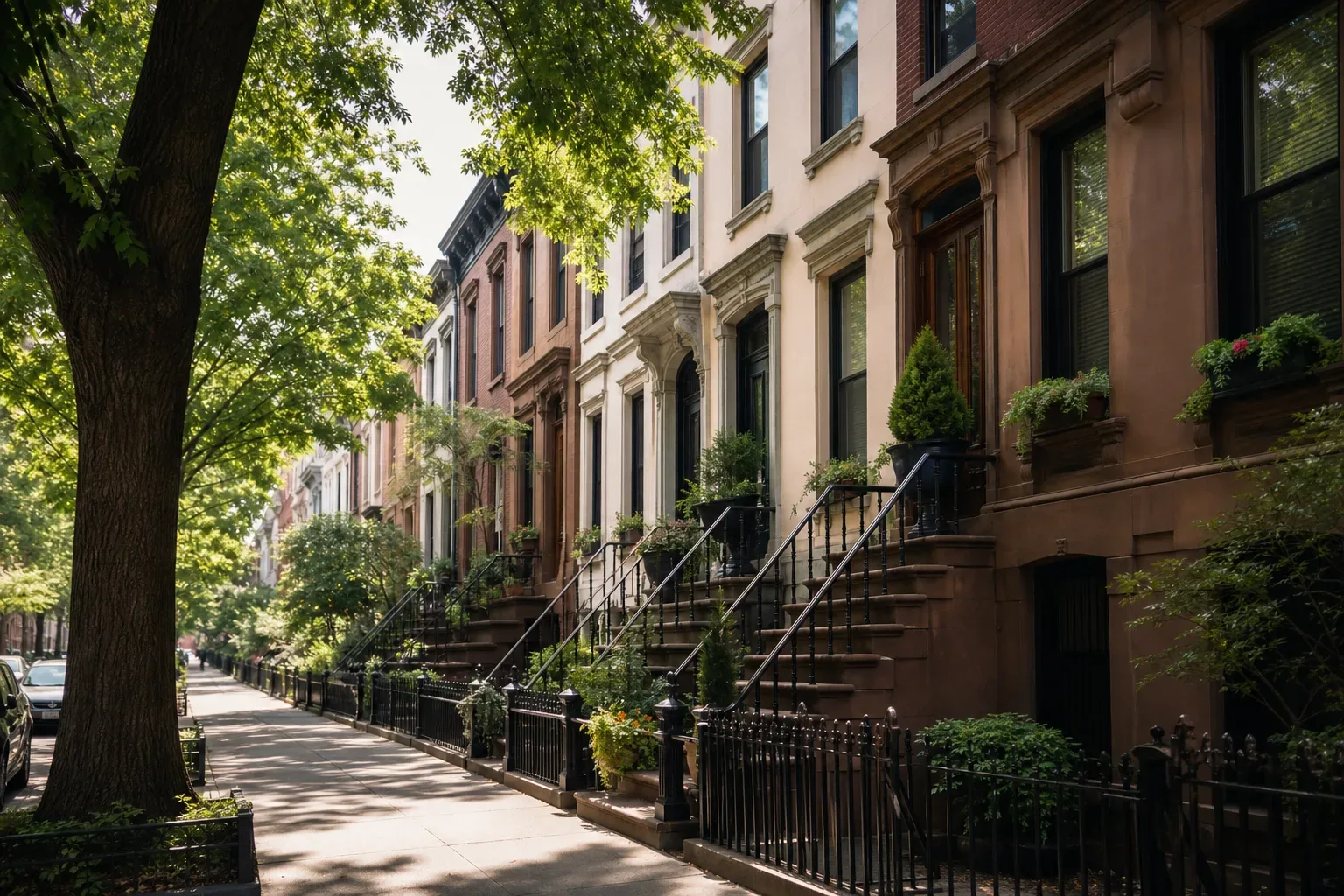
The closing is the final transaction that transfers legal ownership of a home from seller to buyer. In Brooklyn, that event typically takes place at a title company office, an attorney's office, or occasionally a lender's office, and it lasts anywhere from one to three hours. Most buyers feel a mix of relief and mild anxiety walking in. Knowing exactly what happens, document by document, makes the day far less stressful.
Who Is in the Room
Brooklyn closings almost always require an attorney on the buyer's side, which New York State strongly recommends and most lenders effectively mandate. The seller typically attends with their own attorney, and a representative from the title company is present to handle the transfer documents. Your mortgage lender may send a closing agent or loan officer, though many lenders now transmit documents electronically and skip the in-person appearance. A real estate broker may attend, but their main role is already done.
Having your attorney review the closing disclosure and title report before closing day is essential. Surprises at the table, like an unresolved lien from a previous renovation, are much easier to handle before you sit down.

The Documents You Will Sign
Expect to sign or initial between 40 and 80 pages of documents if you are financing the purchase. Cash buyers see a shorter stack, but it is still substantial.
Loan Documents
The promissory note is your legal promise to repay the mortgage. The mortgage deed of trust (called a mortgage instrument in New York) pledges the property as collateral. You will also sign a closing disclosure that itemizes every fee associated with the loan, and federal law requires lenders to deliver that document at least three business days before closing so you have time to review it.
Transfer Documents
The deed transfers title from the seller to you. In Brooklyn, the buyer's attorney typically records the deed with the Kings County Clerk after closing. New York State and New York City both require transfer tax returns, and those documents are signed at the table even though the seller typically pays the transfer taxes on a standard residential sale.
Title and Survey Documents
The title company will present a title commitment or final title report confirming the property is free of undisclosed liens or encumbrances. You will sign an affidavit confirming your identity and the accuracy of your representations. If a survey was ordered, you will acknowledge receipt of it.
Closing Costs Brooklyn NY Home Purchase - What You Will Actually Pay
Closing costs in Brooklyn run higher than the national average because of New York City and State taxes layered on top of standard lender fees. Budget roughly 2–5% of the purchase price on top of your down payment, and treat any estimate below that range with skepticism.
Here is a realistic breakdown for a buyer financing a $900,000 co-op or condo in Brooklyn:
- Mortgage recording tax: 1.8% on loans under $500,000 and 1.925% on loans of $500,000 or more (paid to New York City and State). On a $720,000 loan this is roughly $13,860.
- Mansion tax: 1% of the purchase price on any sale at or above $1,000,000. At $1,000,000 you pay $10,000; the rate scales upward on higher tiers.
- Title insurance: Owner's policy and lender's policy together typically cost $3,000–$6,000 on a mid-range Brooklyn purchase.
- Attorney's fee: Brooklyn real estate attorneys commonly charge $2,000–$3,500 for a standard purchase.
- Lender fees: Origination, underwriting, and appraisal fees vary by lender but often total $1,500–$3,000.
- Prepaid items: Homeowners insurance, property tax escrow, and prepaid interest can add another $3,000–$6,000 depending on the closing date and loan terms.
Co-op purchases avoid mortgage recording tax because technically you are buying shares in a corporation, not real property. That single difference can save thousands in Brooklyn's co-op-heavy market.
The Wire Transfer and the Keys
You will not bring a personal check to a Brooklyn closing. Funds must arrive by certified bank check or, more commonly, wire transfer. Your attorney will give you wiring instructions at least 24–48 hours beforehand. Wire the funds the business day before closing if the closing is scheduled for the morning, because bank processing times and fraud-verification holds can delay same-day wires.
Verify wiring instructions by calling your attorney directly using a phone number you have used before. Wire fraud targeting real estate transactions is a documented and ongoing problem nationwide, and confirming instructions by email alone is not enough.
Once all documents are signed and the title company confirms receipt of funds, the seller hands over the keys. In New York, that moment is called "passing papers." Legally, you become the owner at the moment the deed is recorded with Kings County, which typically happens within a few days of closing.
What Happens in the Days Before Closing
The final walkthrough takes place 24–48 hours before closing. This is not a new home inspection; it is a verification that the property is in the condition agreed upon in the contract, that agreed-upon repairs were completed, and that no damage occurred after the contract was signed. In Brooklyn, buyers sometimes discover that sellers left behind furniture or removed fixtures that were supposed to stay. Document anything that looks off with dated photographs immediately.
Your lender will also issue a "clear to close" signal after underwriting confirms all conditions are satisfied. Getting that confirmation at least two or three days before the scheduled date helps avoid last-minute postponements.

Common Reasons Closings Get Delayed
Delays happen even in smooth transactions. The most frequent causes in Brooklyn include title issues like open permits from unpermitted renovations, last-minute loan conditions from the lender's underwriting team, and funding delays due to wire transfer timing. Co-op board approvals can also push a closing date because the co-op's managing agent must issue a recognition agreement and the board must formally approve the transfer before anyone can sit at the table.
Building a cushion into your schedule helps. If your lease ends on October 31, aim for an October 15 closing date, not October 29.
After Closing - Your Immediate Checklist
Change the locks within the first 24 hours. Previous owners, contractors, and managing agents may have copies of existing keys. Notify your homeowner's insurance carrier that the sale is complete so the policy activates on the correct date. Set up mail forwarding with USPS and update your address with the New York City Department of Finance so property tax bills reach you directly.
Request a copy of the recorded deed from your attorney once it comes back from the Kings County Clerk's office. That recorded copy, stamped with the official recording information, is the document you may need years later for refinancing, estate planning, or a future sale.
Frequently Asked Questions
What Are Typical Closing Costs for a Home Purchase in Brooklyn, NY?
Brooklyn closing costs typically run 2–5% of the purchase price on top of the down payment. Major line items include New York City mortgage recording tax (up to 1.925% of the loan amount), owner's and lender's title insurance ($3,000–$6,000), attorney's fees ($2,000–$3,500), and lender origination fees ($1,500–$3,000). Buyers purchasing at $1,000,000 or above also pay a New York State mansion tax starting at 1%. Co-op buyers avoid mortgage recording tax because the transaction involves shares rather than real property, which can result in meaningful savings.
How Long Does a Home Purchase Closing Take in Brooklyn?
Most residential closings in Brooklyn last one to three hours. Cash purchases run closer to one hour because there are no loan documents to sign. Financed purchases with a full mortgage stack can take two to three hours. Delays on the day are usually caused by missing documents, last-minute lender conditions, or wire transfer confirmations that have not yet cleared.
Do I Need a Real Estate Attorney at a Brooklyn Home Closing?
Yes, having your own real estate attorney at a Brooklyn closing is effectively required. New York State strongly recommends attorney representation for residential transactions, and most mortgage lenders will not proceed without confirmation that a buyer's attorney is involved. Your attorney reviews the contract, title report, and closing disclosure before the event, and represents your interests if disputes arise at the table. Attorney fees for a standard Brooklyn purchase typically fall between $2,000 and $3,500.
What Should I Bring to My Brooklyn Home Closing?
Bring a government-issued photo ID, such as a passport or driver's license, because the title company and notary will require it. Bring a certified bank check or confirm that your wire transfer has been sent and received, as personal checks are not accepted. Your attorney should provide a final checklist a day or two before closing, which may include homeowner's insurance confirmation, proof of any required repairs, and a copy of the closing disclosure you reviewed earlier.
When Do I Legally Own the Property After a Brooklyn Closing?
You become the legal owner at the moment the deed is recorded with the Kings County Clerk's office. That recording typically happens within a few business days after the closing itself. However, you take physical possession and receive the keys at the closing table once documents are signed and funds are confirmed received. Your attorney will send you a copy of the recorded deed, stamped with official Kings County recording information, once it is returned from the Clerk's office.